Sense-making is responsive, so we make sense common.
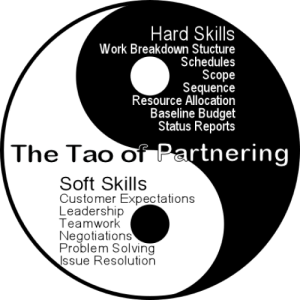
At its core, partnering is more than a workshop — it’s a way of approaching complex construction projects with clarity, openness, and shared purpose. The “Tao of Partnering” represents the natural flow of collaboration: the alignment of people, processes, and intentions so teams can perform at their highest level with the least friction.
Great teams don’t just complete projects — they create an environment where every stakeholder can contribute fully, communicate honestly, and work toward a common vision. The Tao of Partnering helps project participants understand how to build that environment, why it matters, and what it looks like in practice.
Why the Tao of Partnering Matters
Construction is demanding, complex, and often unpredictable. By embracing the Tao of Partnering, teams replace stressful reactivity with intentional collaboration. They communicate more effectively, resolve issues faster, and build trust that lasts beyond a single project.
The result?
Fewer disputes
Better schedule performance
Higher quality outcomes
Stronger stakeholder relationships
Teams who enjoy working together
This is the philosophy behind great projects — and the foundation for every partnering session we lead.
1. Clarity of Purpose
Every successful project begins with a shared vision. The Tao of Partnering emphasizes aligning owners, contractors, designers, and field teams around a unified purpose — the “why” behind the work. When teams understand the mission, decisions become easier and conflicts diminish naturally.
2. Presence and Awareness
High-functioning teams stay fully present to the project’s challenges and opportunities. By practicing situational awareness and active listening, teams recognize issues early and address them without blame or fear. This reduces costly rework, delays, and communication breakdowns.
3. Respect for People and Processes
Respect creates the foundation for trust. When every stakeholder — from owner’s rep to superintendent to designer — feels heard and valued, collaboration improves and friction decreases. Likewise, respecting processes like the Issue-Resolution Ladder and communication pathways ensures smoother operations.
4. Flow Over Force
Projects rarely succeed when people push against each other. The Tao of Partnering encourages a flow-oriented approach where challenges are navigated with openness rather than resistance. Instead of forcing solutions, teams co-create them — resulting in better decisions and stronger accountability.
5. Balanced Leadership
Effective partnering cultivates leaders at every level — not just in title, but in behavior. Balanced leadership means knowing when to guide, when to listen, and when to empower others. This approach promotes shared ownership of quality, safety, schedule, and risk mitigation.
6. Alignment Before Action
When teams act before aligning, projects lose time, money, and momentum. The Tao of Partnering ensures that alignment happens early — through agreements, charters, shared goals, and clear expectations. Once aligned, teams execute with confidence and clarity.
7. Continuous Improvement and Reflection
Just as construction projects evolve, so must the people delivering them. Partnering follow-up sessions help teams reflect on progress, refine communication, and adjust action plans. This cycle of review and improvement keeps the team connected and performance-driven.
